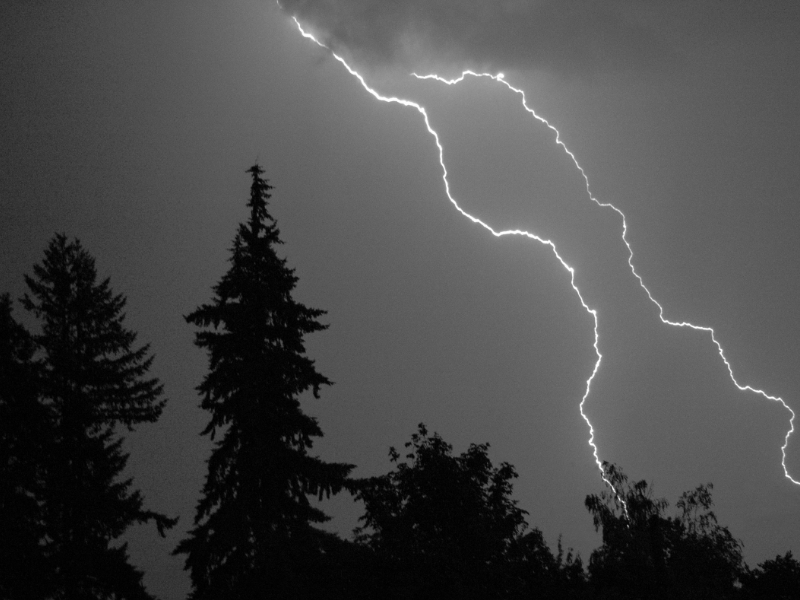


Weather preparedness protects every student, staff member, and outdoor program on your campus each day. Lightning, high winds, tornadoes, and extreme heat all disrupt practice, recess, and dismissal times without warning. Severe weather preparedness works only when your plan moves faster than the storm heading toward you.
Schools operate under state athletic association rules, federal guidance, and rising liability concerns from parents. A well-built plan reduces injury risk while giving your team confidence during high-pressure moments outside. The framework below walks through the pieces every school needs before storm season arrives.
What Should a School Severe Weather Preparedness Plan Include?
A school severe weather preparedness plan should name a decision authority and identify shelter locations. The plan needs alert systems, evacuation timing, staff training, and clear signals for suspension and resumption. You should test the plan through drills and review it at least once every school year.
Core Elements of a School Severe Weather Preparedness Plan
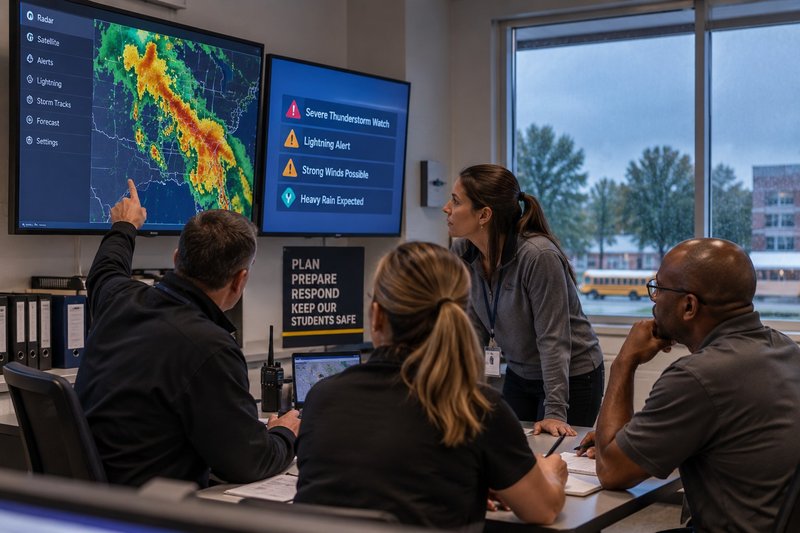
Severe weather preparedness begins with a written plan that every administrator and coach can find quickly. Verbal understanding falls apart under storm pressure, so documented procedures give your team a shared reference. The plan should cover risk assessment, alert systems, shelter identification, and staff roles for every scenario.
According to NWS weather preparedness guidance for schools, each school should form a severe weather team with a coordinator. The team monitors alerts, calls suspensions, and directs students and staff to designated shelters onsite. Naming specific people and backups keeps the plan operational even when key staff are absent.
Every school preparedness plan should address the following core elements:
- Designated severe weather coordinator with named backups on every shift and school day
- Primary and secondary shelter locations within a short walk from every outdoor activity area
- Alert monitoring through National Weather Service, prediction systems, and campus notification tools
- Wind speed and lightning thresholds that trigger suspension of outdoor activities immediately
- Annual staff training, documented drills, and post-event reviews to close any operational gaps
In practice, your severe weather preparedness plan should live in a place every staff member can access. A binder in the coach's office or a shared file works better than a memo alone.
Your documented plan supports both response during a storm and training between school years. Annual reviews keep the plan current as staff, facilities, and student populations change over time.
Aligning Your Plan With NFHS and State Athletic Guidelines
State high school athletic associations set clear rules for severe weather preparedness at outdoor athletic events. Most states follow National Federation of State High School Associations (NFHS) guidance for lightning and thunder. Your school inherits real liability exposure when policies drift away from those adopted standards.
According to NFHS lightning safety guidance, all activities should suspend at the first observable lightning or thunder. The 30-minute clock restarts every time lightning is seen or thunder is heard on site. Everyone should reach a safe zone before lightning reaches the playing field or practice area.
Colleges and universities under NCAA rules follow similar detection-based protocols with an 8- or 10-mile radius. Your plan should document which standard applies to each athletic program and outdoor event on campus. Documentation supports both compliance reviews and any post-incident investigation your district may face later.
In practice, prediction technology layered on detection protocols gives you warning before the first strike. You meet the mandated detection rule while gaining the earlier response window prediction provides.

How Thor Guard Strengthens Severe Weather Preparedness for Schools
Thor Guard designs severe weather preparedness systems built around prediction, detection, and live on-site weather data. Schools and colleges use the same core platform trusted by the military, NASA, and major airlines. The technology helps your team act on live conditions rather than regional forecasts that lag behind.
The TG360 Hybrid platform layers prediction on the NFHS or NCAA detection rule your school already follows. You keep your compliance protocol intact while gaining 8 to 20 minutes of first-strike warning. Voice of Thor horns and strobes deliver audible and visual alerts across your athletic fields and campus.
The TG360 system also monitors severe storm, tornado, and heat safety metrics for outdoor activities. Wet-Bulb Globe Temperature (WBGT) readings support athlete safety during hot practices and games. Similarly, the Guardian Emergency Notification System runs on the same hardware for non-weather campus incidents.
Thor Guard's prediction versus detection comparison explains the science behind first-strike warning technology. Additionally, our 30/30 rule analysis explains why arbitrary timers waste operational time on your school year.
Get Your School Ready Before the Next Storm
Severe weather preparedness works when documented plans, trained staff, and reliable technology support each other daily. Prediction gives your school the earliest possible warning window before the first strike lands nearby. You reduce injury risk, cut unnecessary downtime, and give administrators the data needed for confident decisions.
Thor Guard has built prediction and warning systems since 1973 for outdoor operations worldwide. You can at any time. To design a plan for your specific campus, talk with our team about a site walkthrough.