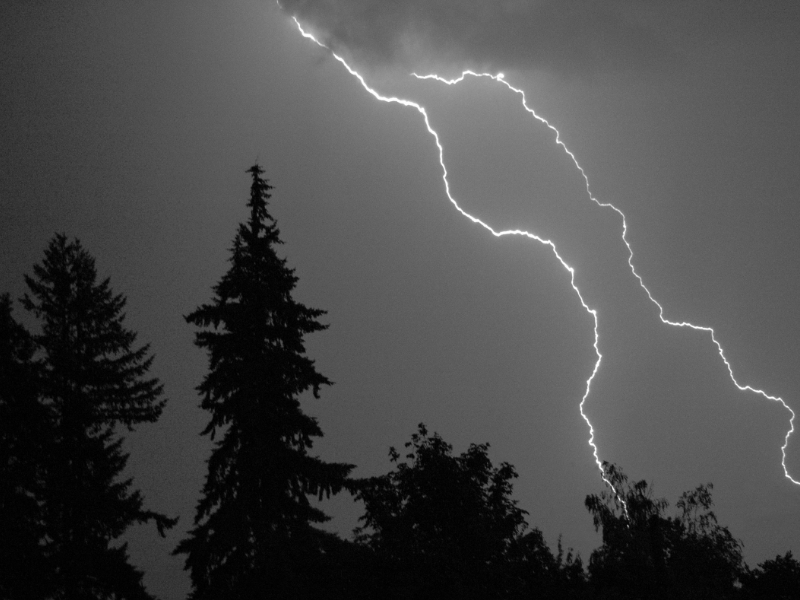


Airport operations grind to a halt the moment lightning enters the critical safety radius near your ramp. Baggage handlers, fuelers, marshals, and maintenance crews must leave open tarmac before the first strike. Every minute of ramp closure creates gate delays, holding patterns, and knock-on effects across the network.
The challenge is balancing worker safety with the operational cost of unnecessary closures each year. Detection systems only report strikes after they occur, leaving you reactive when speed matters most. Prediction technology gives your team the earliest possible warning window before lightning arrives at your gates.
How Does Lightning Affect Airport Operations?
Lightning disrupts airport operations by forcing ramp closures that halt loading, fueling, and aircraft turnaround activities. Closures typically last 30 minutes after the last strike, extending gate delays and flight schedules significantly. You reduce those delays with prediction systems that warn earlier and reopen ramps on live conditions.
How Lightning Disrupts Airport Operations on the Ramp
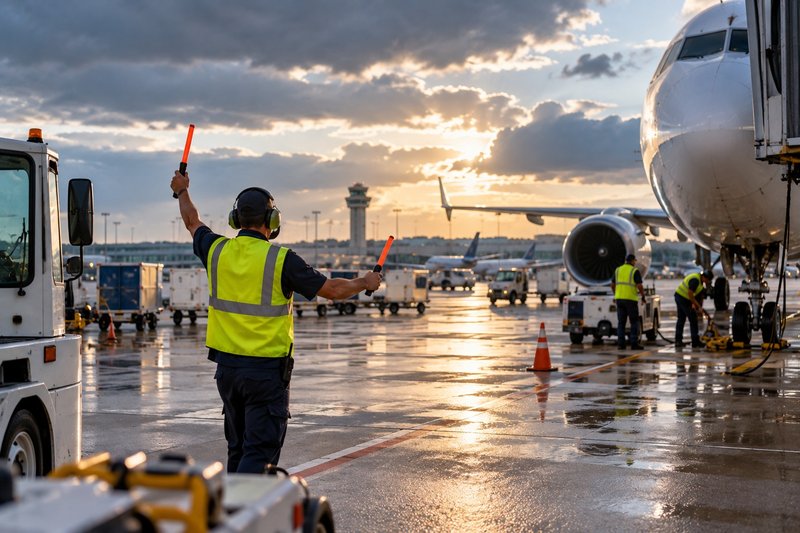
Airport operations face immediate ground stops when lightning strikes within a defined critical radius near the field. Ramp crews must move indoors to a substantial building or fully enclosed vehicle within minutes. The closure halts every gate-side task from fueling and baggage handling to catering and cabin cleaning.
According to NCAR research on lightning impacts on aviation, lightning ramp closures cause notable air traffic impacts. The inability to ready aircraft for departure results in delayed pushback times of tens of minutes. Arrival aircraft may hold in patterns, divert, or absorb additional taxi delays after landing.
Common lightning-driven disruptions to airport operations include:
- Ramp closures halting all outdoor ground service work near parked aircraft
- Delayed gate pushbacks that ripple through your entire departure schedule
- Arrival holding patterns and fuel burn while ramps remain closed for safety
- Diversions to alternate airports when weather sits over the field too long
- Missed connections and crew duty-time overages that grow with each closure minute
In practice, every added minute of closure carries a real cost across your airline network. Reopening the ramp too early risks personnel, and reopening too late costs money and passengers.
The balance between safety and efficiency is where warning technology decides your operational outcome. According to FAA-funded ramp closure survey work, warning procedures vary widely across airlines and airport operators.
Why Prediction Beats Detection for Ramp Safety
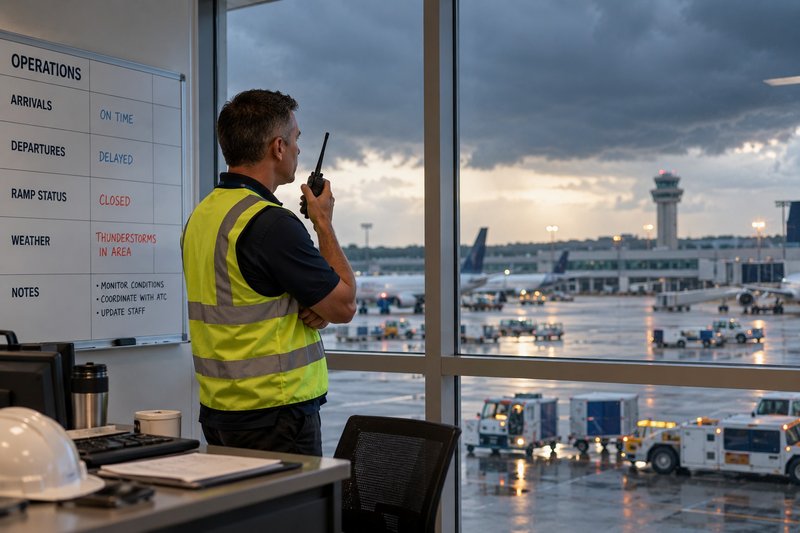
Airport operations gain more from prediction than from detection when lightning approaches your critical radius. Detection systems tell you where lightning already struck, which is minutes late for a ramp decision. Prediction systems read the atmospheric electrostatic field and warn before any strike hits the ground.
Thor Guard prediction typically delivers 8 to 20 minutes of warning before the first strike arrives. Ramp supervisors gain time to complete critical tasks and stage crews safely before shutting down operations. You avoid the scramble that happens when a first strike lands with zero prior notice locally.
Prediction also improves the back end of a storm, when standard 30-minute timers hold ramps unnecessarily long. Thor Guard's analysis of the 30/30 rule explains why arbitrary countdowns cost operational time you can't recover. You resume ground work when atmospheric energy actually drops, not when a generic clock expires.
Additionally, Thor Guard's prediction versus detection comparison explains the science behind each method. You get earlier warnings and a shorter all-clear window that respects live atmospheric conditions.
How Thor Guard Supports Safer Airport Operations
Thor Guard supports airport operations through prediction systems built for demanding outdoor field environments. The TG360 platform samples the atmospheric electrostatic field over 170,000 times per second on your terminal roof. Voice of Thor horns and strobes deliver audible and visual alerts across ramp, cargo, and maintenance areas.
Radio-controlled horn clusters extend coverage to reach personnel spread across large terminal and cargo footprints. The system continues operating when power or internet drops, which matters during severe storms overhead. Ramp supervisors get the same warning as tower staff and maintenance crews working on the field.
For mobile or remote work, the Nomad unit delivers portable prediction in a compact form. General aviation apron areas, remote de-icing pads, and ground support vehicles gain first-strike protection. Similarly, the Guardian Emergency Notification System runs on the same hardware for non-weather emergencies.
In practice, Thor Guard systems are built for a decade or more of daily outdoor operation. The long service life spreads the initial cost across many storm seasons at your facility.
Reduce Ramp Downtime This Storm Season
Airport operations work best when safety technology gives your team the earliest possible warning window. Prediction cuts unnecessary ramp closure minutes while keeping personnel protected from every first strike. You reduce delay costs, protect workers, and give operations leaders clearer decision data every day.
Thor Guard has built prediction and warning systems since 1973 for airlines, airports, and cargo operators. You can read about our company and full product line at any time. To design a system for your specific airfield, schedule a call with our team today.