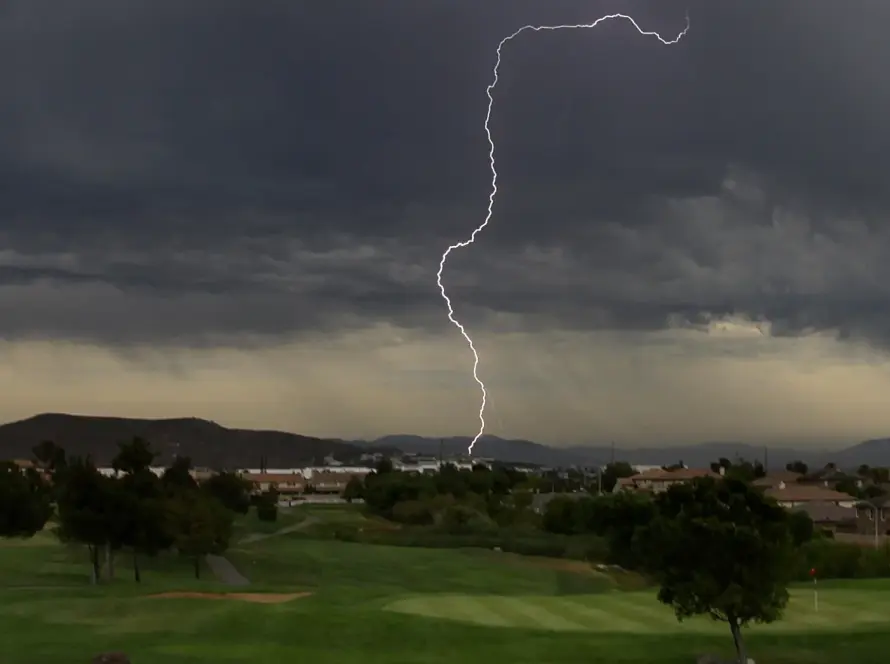



Golf course safety takes on new urgency the moment a thunderstorm builds over open fairways. Players stand exposed across wide, open ground, often a long walk from any substantial shelter. A single approaching storm forces fast, high-stakes decisions about when to clear the course.
Golfers routinely carry metal clubs, ride open metal carts, and shelter beneath tall, isolated trees. Each habit raises risk, so early, well-planned action matters more here than almost anywhere. The sections below show how to protect players before lightning ever reaches your property.
What Does Golf Course Safety Mean When Lightning Threatens?
Golf course safety means clearing players from exposed ground well before the first strike arrives. It combines early warning, clearly marked shelter locations, and firm rules for suspending play. Your goal is simple: give everyone on the course enough time to reach safety before conditions turn deadly.

Map the Golf Course Safety Risks Across Your Property
A golf course gathers almost every lightning risk factor into one wide, open space. Flat, open fairways leave players standing as the tallest objects for hundreds of yards. Elevated tees, open water features, and metal carts add further exposure all across the layout.
Strikes also reach much farther than many players expect during a typical round outdoors. According to the National Weather Service, lightning can strike as far as 10 miles from rainfall. A clear sky overhead offers no real guarantee while a storm still sits miles away.
Mapping these hazards first forms the foundation of strong golf course safety planning everywhere. Walk every hole and note the low spots, open stretches, and distant shelter points. A clinical review of lightning injuries shows how severe a single strike can be.
Injuries extend well beyond the rare fatality, often causing lasting neurological and cardiac harm. One survivor can face years of recovery, which raises the stakes for every decision. Knowing the full scope of risk helps you justify the time and discipline safety demands.

Deliver Early Warning to Golfers in the Field
Players spread across 18 holes cannot all hear a shout or a single horn. Early warning must reach every corner of the sprawling course at the same moment. The earlier that signal arrives, the more time golfers have to walk in calmly.
Detection alone only tells you that lightning has already struck somewhere within range. Prediction aims higher, warning you well before the first strike reaches your players outdoors. Research on thunderstorm prediction methods shows how useful added lead time can be.
Reliable golf course safety depends on that head start, measured in minutes, not seconds. Extra minutes let a marshal clear the most distant greens before conditions become dangerous. According to NOAA, golf course lightning deaths have dropped roughly 75 percent since the 2001 safety campaign.
Pair prediction with horns and visible strobes so no golfer ever misses the alert. Repeat the signal across the full property, because sheer distance swallows a single warning fast.
Set Safety Protocols for Every Hole
Clear protocols turn golf course safety from a judgment call into an automatic routine. Every marshal, pro, and groundskeeper should know the plan before the season opens.
Set one trigger that suspends play the instant conditions cross your chosen safe threshold. Apply it the exact same way for members, guests, tournaments, and staff, without exception. Mark safe shelters on the scorecard and course map so golfers know where to go.
Open-sided rain shelters and lone trees do not count as safe during a storm. Direct players to the clubhouse or a fully enclosed, hard-topped vehicle whenever possible instead. After the threat fully passes, wait a defined period before you reopen the course.
Communication keeps the whole plan alive once a warning sounds across the open grounds. Assign who sounds the alert, who sweeps the holes, and who tracks returning players. Drill the full routine each season so the response feels automatic under real pressure.
Strengthen Golf Course Safety Before the Next Storm
Golf course safety comes down to buying time before the first strike threatens your players. Thor Guard supports that goal by predicting lightning before a strike, not detecting it afterward. For more than 50 years, the company has helped courses clear players in time.
Built to serve well beyond 10 years, a dependable system spreads its cost across many seasons. Early warning protects your members, your staff, and your club’s reputation all at once. Get in touch with the team to plan coverage built for your course. Golf course safety is tested the moment a thunderstorm builds over open fairways. Players stand exposed across wide, open ground, often a long walk from any substantial shelter. A single approaching storm forces fast, high-stakes decisions about when to clear the course.