

Heat index is the metric that tells you how hot the air actually feels to your workers or athletes. Air temperature alone hides the heat risk your outdoor team faces during humid summer conditions overhead. The heat index combines temperature and humidity into one apparent temperature that reflects true body strain.
Golf courses, athletic programs, construction sites, and airports all depend on live conditions for safety calls. Regional forecasts often miss localized conditions that vary station to station across a metropolitan area. On-site measurement gives you the numbers needed to protect people before symptoms of heat illness appear.
What Is the Heat Index?
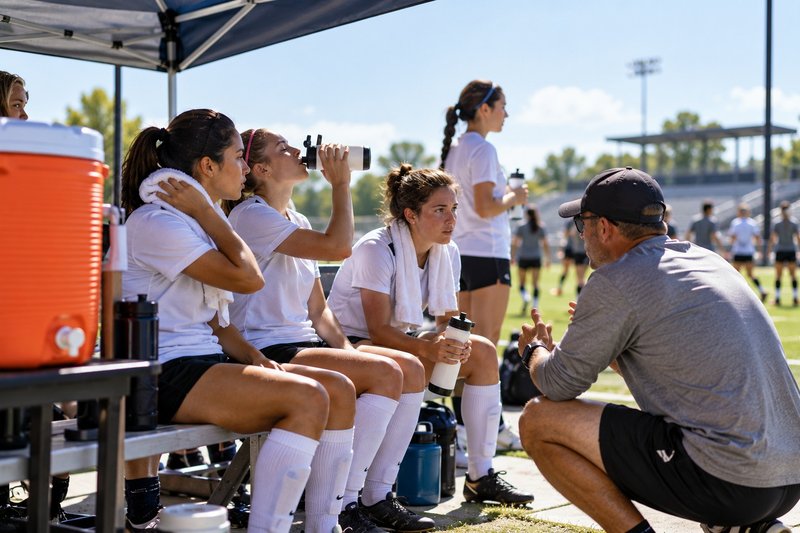
The heat index is an apparent temperature that combines air temperature and relative humidity into one value. The National Weather Service calculates it for shaded areas with light wind and normal clothing conditions. You use the reading to trigger hydration, work-rest cycles, or activity suspension before heat illness develops.
What the Heat Index Measures and How It's Calculated
The heat index quantifies what your body actually feels when temperature and humidity combine outdoors. Air temperature alone underestimates the heat strain your people experience during humid summer conditions locally. The heat index accounts for reduced sweat evaporation, which is the body's primary cooling mechanism outside.
According to National Weather Service heat tools guidance, full sun can raise the heat index by up to 15 degrees. Shaded readings often understate the real risk to workers, athletes, and spectators in open areas. Wind speed, activity level, and clothing all affect actual heat strain beyond the reported number.
Key inputs and adjustments that shape the true heat load on your outdoor team include:
- Air temperature measured in shade at a standard height above the ground
- Relative humidity, which reduces sweat evaporation as it climbs above 40 percent
- Direct sun exposure, which can add up to 15 degrees to the reported number
- Metabolic workload from running, lifting, or working in personal protective equipment
- Clothing weight and coverage, especially for football pads or industrial uniforms
In practice, a reported 90-degree heat index on a sunny field can feel closer to 105 degrees. You need localized readings and workload context to make sound activity decisions on any given day.
The Wet-Bulb Globe Temperature (WBGT) adds sun and wind into the equation for athlete-focused environments. Your safety program benefits from both metrics working together throughout the hottest months of the year.
Why On-Site Readings Beat Regional Forecasts for Outdoor Work
Regional forecasts often report a heat index that misses the actual conditions at your specific site. For example, airport weather stations sit miles away from most outdoor operations that depend on the data. Localized readings shift by several degrees based on tree cover, pavement, humidity pockets, and elevation.
According to CDC NIOSH heat stress guidance, heat stress is the combination of metabolic and environmental heat exposure. Employers must monitor conditions and adjust workloads to prevent heat exhaustion, heat stroke, and rhabdomyolysis. Regional data alone cannot support the site-specific decisions your safety managers need to make daily.
On-site weather stations capture the real conditions your workers or athletes face each hour they're outside. In practice, data feeds directly into work-rest cycle decisions, hydration schedules, and event suspension calls. You reduce reliance on delayed regional updates and gain the resolution needed for compliance documentation.
Additionally, live readings support OSHA's General Duty Clause requirement to monitor recognized workplace hazards. Documented on-site data protects both your workers and your organization during any post-incident review.
How Thor Guard Delivers Live Heat Index Data On-Site
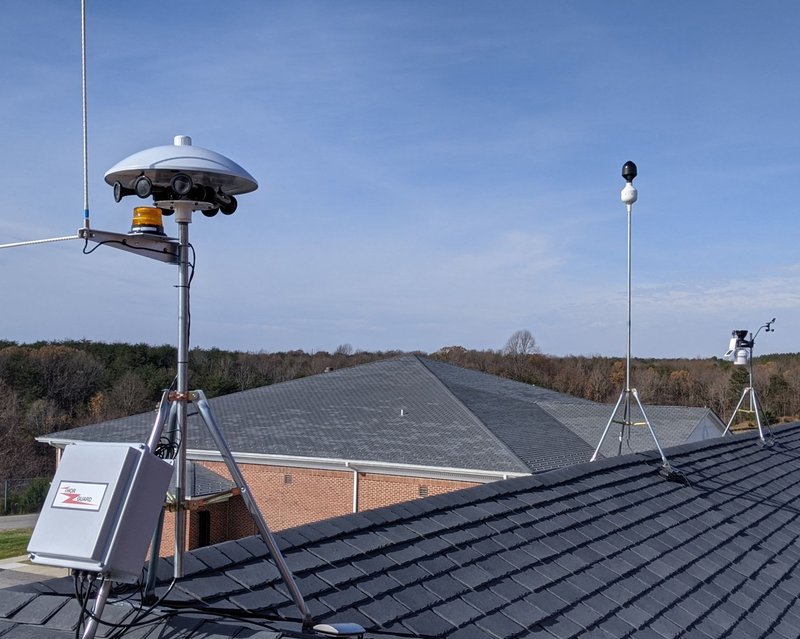
For every TG360 installation, Thor Guard captures live heat index and WBGT values on-site. A Davis Vantage Pro 2 weather station reports temperature, humidity, wind, and rainfall to your dashboard. As a result, the TG360 platform combines heat data with lightning prediction and severe storm alerts on-site.
Safety managers get on-site readings without switching between apps, phones, or third-party services during storms. ThorMobile and ThorTV dashboards display live weather next to lightning threat status and radar overlays. The ThorAlert mobile app pushes heat advisories to coaches, marshals, and ground crews away from the dashboard.
For schools and colleges, TG360 Hybrid adds mandated detection compliance alongside heat and lightning safety. Athletic directors gain one platform for football practices, cross-country meets, and marching band sessions outside. Similarly, construction sites and airports use heat data to time shifts and schedule ramp work.
Thor Guard's prediction versus detection comparison explains how the platform handles lightning alongside heat monitoring. Additionally, our 30/30 rule analysis explains why arbitrary countdowns waste operational time you could recover.
Add Heat Safety to Your Outdoor Weather Program
Heat index is one of several live metrics that shape safe outdoor operation during summer months. Adding live readings to your program protects workers, athletes, and events without relying on distant data. You reduce injury risk, cut unnecessary interruptions, and give your safety leaders defensible documentation.
Thor Guard has built weather safety systems since 1973 for outdoor operations across many industries. You can read about our company and full product line at any time. To add heat monitoring to your existing weather program, reach our team for a quick consultation.