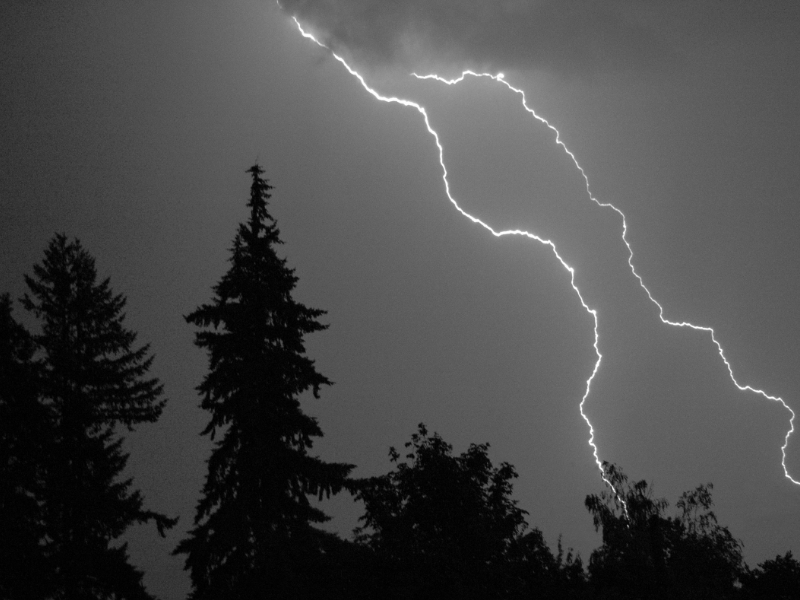



Lightning safety is a core duty for any outdoor facility that keeps people on open ground. Strong lightning safety protects staff, athletes, and visitors when a storm moves in fast. Clear procedures help your team act early, long before conditions near the grounds turn dangerous.
Most outdoor operations already track weather, yet many still react only after lightning appears nearby. Earlier warning changes that pattern, giving staff the minutes they need to move people indoors. The following practices give you a practical framework for reducing risk across any outdoor venue.
What Are the Core Lightning Safety Practices for Outdoor Facilities?

Core practices combine early warning, clear roles, defined shelters, and consistent rules for stopping activity. Together, they turn scattered reactions into one repeatable response that every staff member understands. Strong lightning safety also depends on training, testing, and reviewing your plan before each season.
1. Build a Written Lightning Safety Plan
A written plan removes guesswork and gives everyone the same reference during a fast moving storm. Document who monitors conditions, how alerts travel, and where people go when activity stops. According to the National Weather Service, lightning still kills about 20 people each year nationwide.
A clear lightning safety plan turns those sobering numbers into preventable outcomes for your facility. Review it with leadership so responsibilities stay clear long before the first warning sounds.
2. Install an On-Site Early-Warning System
On-site monitoring gives you data from your exact location rather than a distant regional source. Early alerts matter most where people gather for recreation, which carries the highest exposure. According to National Weather Service data, leisure activities account for most lightning deaths each year.
A prediction-based system adds value by warning you before a first strike reaches your grounds. Reliable lightning safety depends on added lead time, giving staff room to clear fields calmly.
3. Define Clear Shelter and Evacuation Routes
Every outdoor venue needs identified shelters that people can reach within the available warning time. Safe shelter means a substantial building or a fully enclosed metal vehicle, not a dugout. Research on large outdoor gatherings shows how quickly crowds raise evacuation times during storms.
Map your shelter routes in advance so a tense moment never forces an improvised, risky decision. Post signage and share maps so visitors know exactly where to go when alerts begin.
4. Set Lightning Safety Roles and Communication
Clear roles prevent confusion when a storm forces quick action across a busy outdoor site. Name who watches conditions, who makes the call, and who signals everyone to move. Decide how warnings reach fields, parking lots, and remote corners within seconds, not minutes.
Assign backups so your lightning safety response holds even when key staff are off site. Horns, strobes, and mobile alerts work best together, reaching people wherever they happen to be.
5. Establish Consistent Suspension and Resumption Criteria
Consistent thresholds tell your team exactly when to stop activity and when to resume. Pick a trigger distance and apply it the same way for every event and every sport. After the last threat clears, wait a defined period before anyone returns to the field.
Written criteria keep lightning safety objective, removing pressure to resume play too soon. Apply the same standard to staff, athletes, vendors, and spectators alike, without any exception.

6. Train Staff on Lightning Safety Response
Even the best plan fails if staff have never practiced it under realistic pressure. Run drills each season so every role feels familiar long before a real storm arrives. Published guidance on sports and recreational safety stresses rehearsed, well understood response procedures.
Strong lightning safety training covers alerts, shelter movement, and care for a strike victim. Refresh everyone regularly, because seasonal hires and new volunteers join throughout the year.
7. Review and Test the Plan Each Season
A plan on a shelf slowly drifts out of date as your facility changes. Review contacts, routes, and equipment before each season, then fix any gap you find. Test alarms and communication tools so failures surface during a drill, not an emergency.
Regular reviews keep lightning safety aligned with new fields, buildings, and event schedules. Small, steady improvements keep your response sharp when the next storm finally arrives.
Strengthen Your Lightning Safety Before the Next Storm
Together, these seven practices build a response that protects people and keeps operations running. Thor Guard supports that goal by predicting lightning before a strike, not simply detecting it afterward. For more than 50 years, the company has helped facilities gain extra minutes to act.
Built to last well beyond 10 years, a dependable system spreads its value across many seasons. Investing in early warning today prepares your facility for the storms every season will bring. Contact the Thor Guard team to design lightning safety coverage built around your facility.