


Lightning is one of the most dangerous weather hazards people face during outdoor activities. From golf courses and sports fields to construction sites and beaches, storms can develop quickly and leave little time to react. That’s why many organizations rely on advanced lightning prediction systems. But a common question remains: how much warning do these systems actually provide, and is it enough to keep people safe?
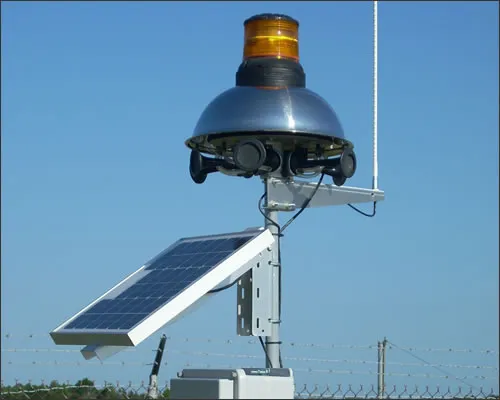
Modern technology has made it possible to detect atmospheric conditions that indicate lightning is about to occur. Systems like those developed by Thor Guard are designed to provide critical early warning so that people can take shelter before lightning strikes nearby.
Understanding Lightning Prediction Technology
A lightning prediction system works by monitoring changes in the atmosphere’s electrostatic field. Monitoring the electrostatic field can help signal that conditions are developing that could produce lightning.
Unlike traditional lightning detection systems, which only alert users after lightning has already occurred nearby, prediction systems focus on identifying the buildup that happens before a strike.
This difference is important because it gives organizations valuable time to respond before lightning becomes an immediate threat.
How Much Warning Does a Lightning Prediction System Provide?
One of the key advantages of a lightning prediction system is the amount of advance notice it can provide. Thor Guard systems can deliver warnings approximately 8 to 20 minutes before lightning occurs within a protected area.
While that may not sound like a long time, in practical terms it can be extremely valuable. Eight to twenty minutes is often enough time to clear athletic fields, suspend outdoor events, halt construction activity, or guide people to safe shelter.
For organizations responsible for large groups of people, that early warning can make a significant difference in preventing injuries or fatalities.
Why Early Lightning Warnings Matter
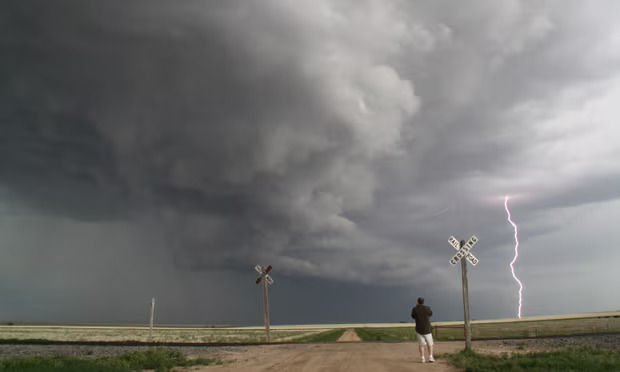
Lightning strikes can happen with little visible warning. A storm may appear distant, yet lightning can strike miles ahead of the actual storm cell.
Because of this, relying solely on visual observation or traditional weather alerts may not provide enough time to react safely.
A dedicated lightning prediction system gives site managers the ability to monitor conditions continuously and receive alerts before the first nearby strike occurs. This proactive approach helps organizations follow safety protocols and make faster decisions when weather conditions become dangerous.
Is the Warning Time Enough?
For most facilities, the warning window provided by a lightning prediction system is sufficient when combined with a clear safety plan. The key is having procedures in place so that once an alert is issued, staff know exactly what actions to take.
Many golf courses, stadiums, universities, and outdoor recreation facilities use lightning prediction systems such as Thor Guard as part of their broader safety strategy. By combining early warnings with organized response procedures, these organizations can reduce risk and protect both employees and visitors.
The goal is not simply to detect lightning but to anticipate it early enough that people have time to move to safe locations.
Protecting People with Advanced Lightning Safety Systems
Organizations responsible for outdoor safety need reliable tools that allow them to react quickly to changing weather conditions. A lightning prediction system provides the critical time needed to suspend activities and guide people to shelter before lightning strikes nearby.
Thor Guard specializes in lightning prediction technology designed to help organizations monitor atmospheric conditions and receive early warnings before dangerous storms develop.
If your facility hosts outdoor events or activities and you want to improve lightning safety procedures, contact Thor Guard to learn more about their lightning prediction systems.
FAQ: Lightning Prediction Systems
How much warning does a lightning prediction system give?
Most lightning prediction systems provide approximately 10 to 20 minutes of advance warning before lightning occurs within the monitored area.
Is a 8–20 minute warning enough to keep people safe?
Yes. When combined with proper safety procedures, this amount of time is typically enough to clear outdoor areas and move people to safe shelter.
How is lightning prediction different from lightning detection?
Lightning detection systems alert users after lightning has already occurred nearby. Lightning prediction systems identify atmospheric conditions that indicate lightning may occur soon.
Who uses lightning prediction systems?
Lightning prediction systems are commonly used by golf courses, stadiums, schools, universities, construction sites, and outdoor recreation facilities where large groups of people may be exposed to storms.